The smarter way
to buy golf gear.
Driver & ball fitting in 60 seconds. Free.
Stop buying equipment that doesn't fit your swing. Our free fitting tools match you to the right driver and ball in under 60 seconds. No appointment, no upsell.
Free · No signup required · Instant results
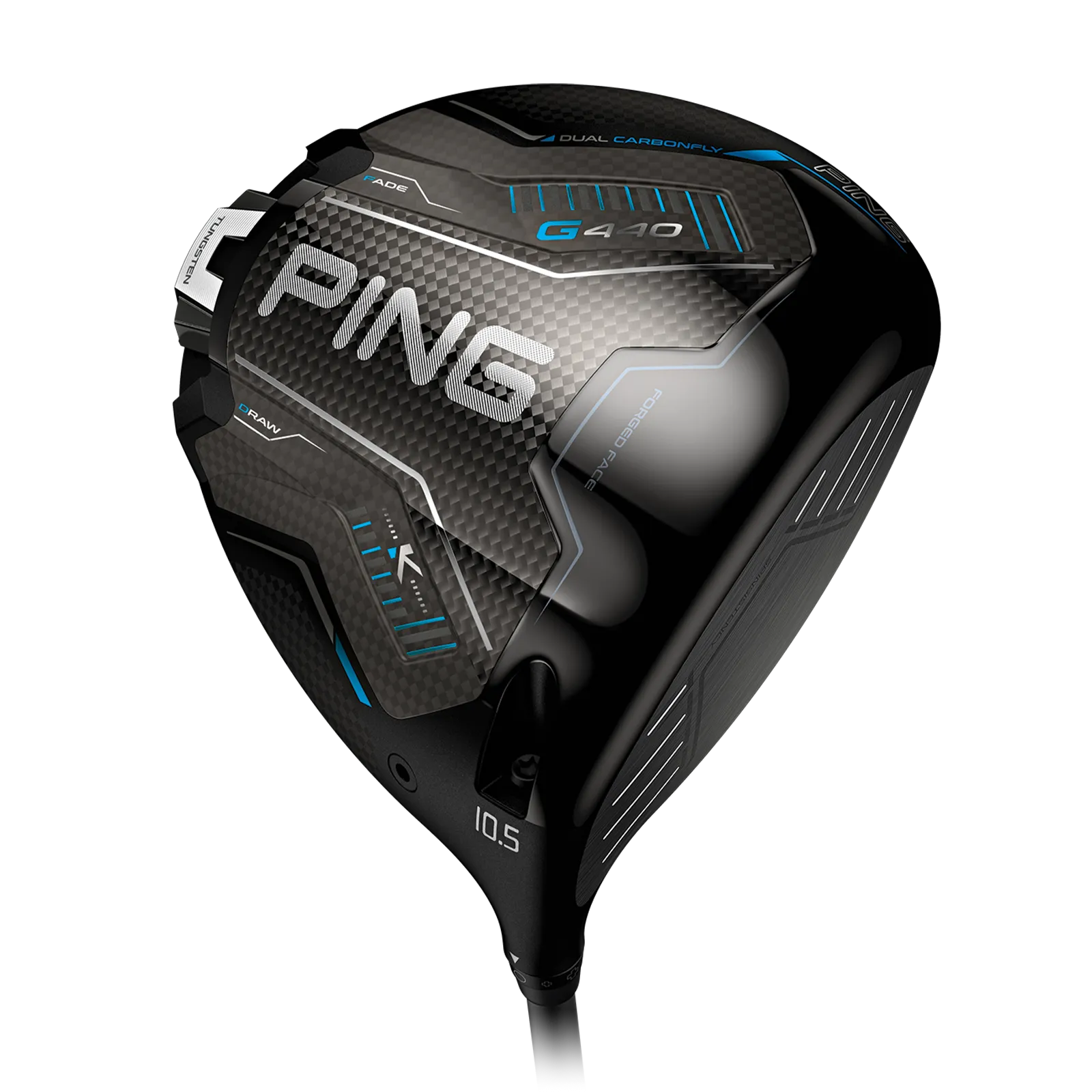
Ping · 2025
98%G440 K
Max forgiveness for every handicap
Regular · 10.5°
PING Alta CB 55 (R)
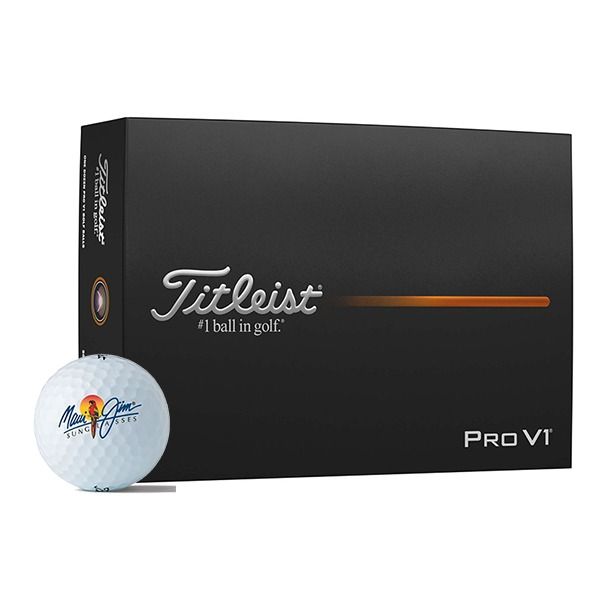
Titleist · 2025
97%Pro V1
Tour spin and control in one ball
Urethane · 3-Piece
Compression 90 · $54/dz
Free · No signup required · Instant results
Our Fitting Tools
Built for every golfer.
Priced at zero.
Whether you're a scratch player or a weekend warrior, our tools give you the same data-driven fitting a pro shop would charge for.
Driver Fit
Answers 6 questions about your swing speed, ball flight, and miss pattern. Returns the right driver type, shaft flex, and specific model recommendations at every price point.
Ball Fit
Scores 47 golf balls against your compression range, spin needs, feel preference, and budget. Shows your top 3 picks in every price tier — premium, mid-range, and budget.
Rangefinder Fit
Matches you to the right rangefinder based on your budget, need for GPS, and play style. Covers 10 devices from laser-only to GPS hybrids.
Used Driver Fit
Same fitting logic, prior-generation clubs. Matched to Elyte, G430, Qi35, DS-ADAPT, and TSR at $199–$479 used. Nobody else does this.
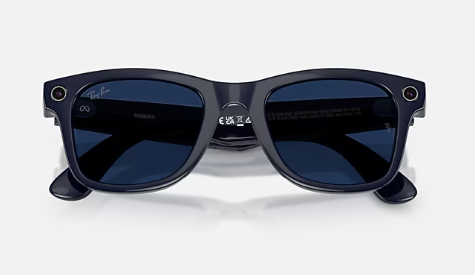
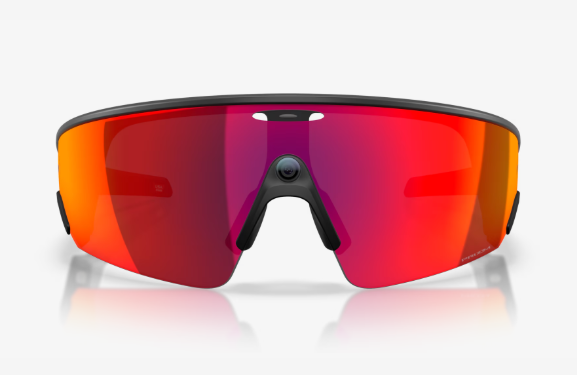
Ray-Ban Meta vs Oakley Meta — Which Smart Glasses Belong on the Course?
How It Works
Professional fitting logic.
No tee time required.
Swing speed, miss tendency, feel preference, budget. The same data points a professional fitter collects, done in under 60 seconds.
Every answer scores against our full database. No gut feel, no brand deals, just your swing profile matched against real specs.
Your top picks at every price point with full specs and links to shop. Buy with confidence, not guesswork.
Real Golfers
They stopped guessing.
So can you.
“Bought the G440 K on this recommendation. Best driver I have put in the bag. Gained about 15 yards carry and finally stopped losing balls right.”
Mike D.
14 handicap · Driver Fit